Nail polish is now a familiar part of everyday beauty, but its story stretches back thousands of years. Those colorful bottles reflect over 5,000 years of change, invention, and shifting beauty standards. What began as a symbol of rank and privilege has evolved into an accessible way to express personal style.
Today’s salon formulas build on generations of experimentation and improvement. Knowing how nail color began helps you appreciate the small bottle that can completely change the look of your hands. The path from early natural dyes to long-wearing gel systems is richer than many people realize.
Ancient Origins: The First Nail Colors
The earliest known use of nail color dates to ancient China around 3000 BCE. Members of the royal court used blends of beeswax, egg whites, gelatin, and plant-based pigments to create shiny coatings. Each shade carried meaning, signaling position and rank in the imperial system.
Metallic tones like gold and silver were set aside for the highest classes, while softer shades went to lower ranks. This was more than a trend; it was part of a regulated social order. Wearing a color above your status could lead to real consequences, as nails visibly declared who you were.
In ancient Egypt, nail coloring also played an important role but relied on different materials. Henna was used to stain the nails, and deeper, richer tones suggested higher standing. Historical accounts link deep reds with Cleopatra and ruby hues with Queen Nefertiti. Even after death, nails were tinted on mummified bodies as part of preparation for the next life.
The Modern Formula Emerges
The familiar style of nail polish did not appear until the 1920s. Its development was inspired by automotive paint technology. Advances in car finishes prompted a French makeup artist to adapt similar ideas for nails, creating a product that dried quicker and stayed on longer than earlier methods.
In 1932, a major cosmetics company released the first widely sold nail polish in a single shade called cream. It was paired with a matching lipstick, introducing the idea of coordinated color across different cosmetics. This allowed people to achieve a smooth, durable finish at home without long sessions of buffing or staining.
This breakthrough lined up with changing lifestyles. During the 1920s, more women entered the workforce and needed beauty routines that fit into busy days. Fast-drying nail color offered a practical answer. What was once a privilege of the very wealthy became a realistic option for many middle-income households.
The Golden Age of Hollywood Influence
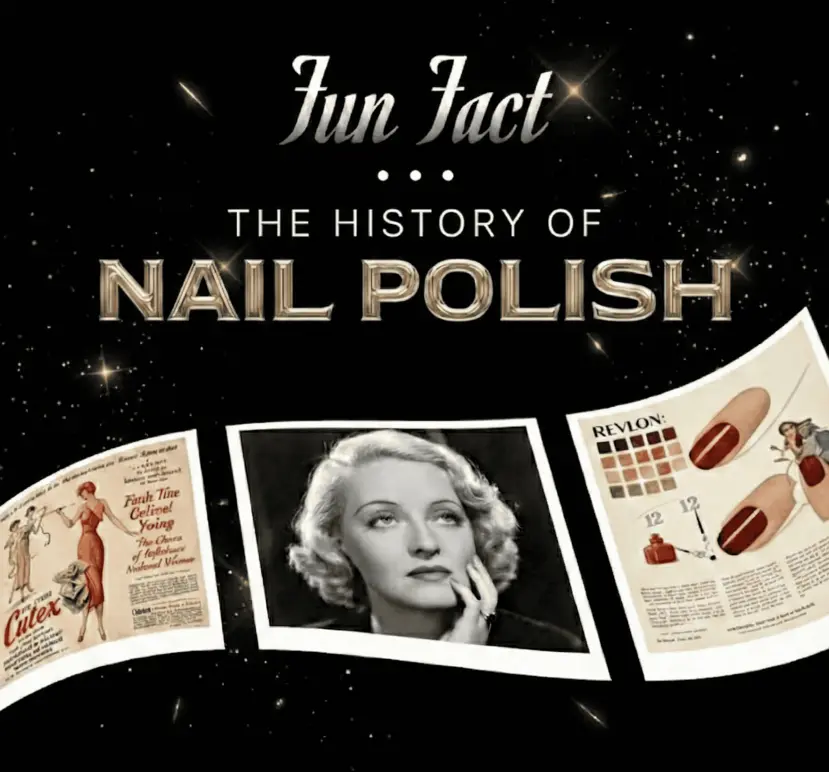
From the 1930s to the 1950s, nail polish became closely associated with Hollywood glamour. Film stars appeared on screen with carefully shaped nails painted in bold reds and deep wine tones. These images reached audiences around the world and helped set new expectations for polished, camera-ready hands.
Leading nail and cosmetic brands at the time introduced new colors and advertising strategies to meet this growing interest. They recognized that many people wanted to mirror the style of their favorite on-screen icons. Marketing often featured graceful hands and the promise that one bottle could add refinement to everyday life.
The iconic red manicure from this period came to symbolize refined femininity. It suggested composure and style whether someone worked in an office, managed a home, or attended social events. This era firmly positioned nail color as a key part of a finished appearance instead of a minor extra.
Evolution Through the Decades
Each following decade brought new nail trends that echoed wider culture:
- 1960s: Soft pastels and pearly finishes suited the clean lines and playful look of the mod era.
- 1970s: Natural, earthy hues matched an interest in simplicity and back-to-nature living.
- 1980s: Vivid neons and high-impact colors reflected bold fashion and a taste for excess.
- 1990s: Deep tones and French manicures gave a sleek, polished alternative to bright shades.
- 2000s: Detailed nail art and decorations turned nails into small, creative design spaces.
These changes went beyond personal color favorites. They reflected shifting ideas about gender roles, work, creativity, and personal identity. Nail polish became a subtle but powerful way to share personality and attitude without speaking.
The Technology Revolution
Modern nail products have advanced significantly from their early versions. Current formulas are designed to dry faster, resist chipping, and offer a wide range of shades and finishes. Gel systems can last for weeks with proper care. Breathable options allow moisture and air exchange. Many lines now avoid certain harsh ingredients.
UV and LED curing systems reshaped professional manicures. Long-lasting gel services moved from occasional splurges to everyday choices for many clients. This shift raised expectations for how long a manicure should last and how it should look between visits.
Recent developments also pay closer attention to nail condition. Strengthening base coats, polishes enriched with vitamins, and treatments aimed at repair show how the focus has expanded. The goal is to maintain both attractive color and healthy natural nails at the same time.
Appreciate the History in Every Bottle
Choosing a nail color today connects you to thousands of years of beauty tradition. Each bottle blends ancient practices, cinematic style, and contemporary science. A fresh manicure places you in a long line of people—from early rulers to modern icons—who used nail color to enhance their appearance.
Nail Polish Care and Modern Service
Understanding the history behind nail color can make each manicure feel more meaningful and thoughtful. With today’s products and techniques, you can enjoy long-lasting color, comfortable wear, and finishes that reflect your personal style. Professional care helps you maintain both the look and health of your nails over time.
📞 Call to book: (904) 280-3338
📍 Location: 330 A1A N Ste 308, Ponte Vedra Beach, FL 32082
Experience thoughtful, detail-focused nail services and relaxing care at Luxury Nail And Spa.