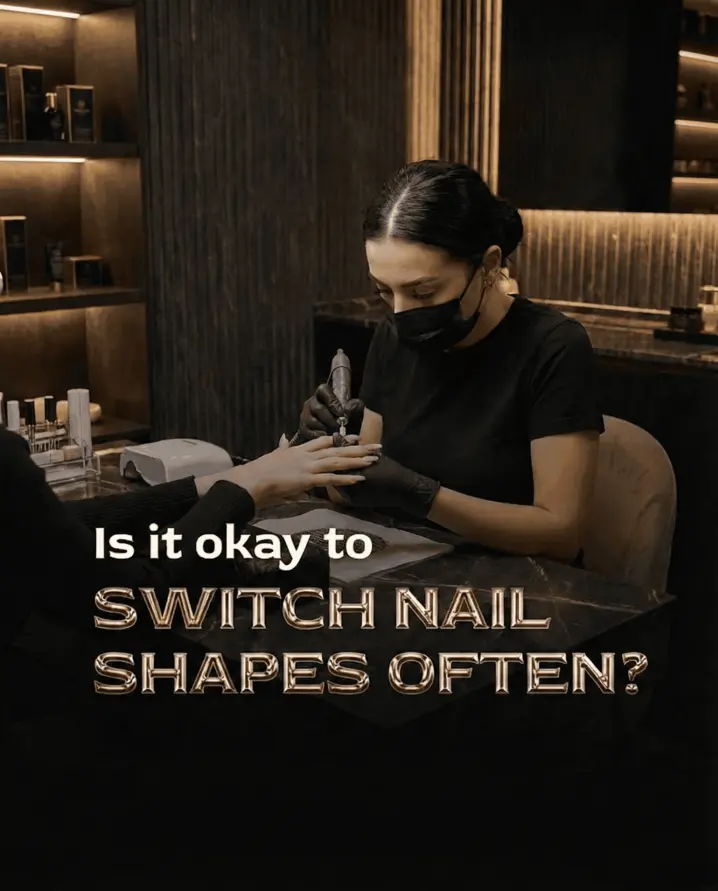
Changing your nail shape can instantly refresh your appearance. One month you might choose almond, and the next, opt for a square look. However, many people wonder if frequently switching nail shapes might harm their nails or cause issues.
At Luxury Nail And Spa in Ponte Vedra Beach, our specialists help clients safely try out new shapes. The reality is that changing shapes is safe when approached with the right technique. Understanding how each shape affects your nails lets you enjoy variety confidently.
Why People Change Nail Shapes
Your choice of nail shape impacts both the style of your hands and how practical your nails feel. Some shapes work better for daily activities or special events. Your personal style and current trends often influence which shape you select. Some days call for dramatic nails, while other times, a more classic shape is preferred. Changing shapes helps you adapt your nails to your preferences without permanence.
Effects of Changing Nail Shapes
Adapting your nail shape involves filing, which reduces the nail’s thickness. If overdone or done improperly, this can weaken your nails over time. Gentle, precise filing by an experienced technician limits this risk.
Working with your natural nail type is essential. Trying drastic shape changes on short or fragile nails can cause problems. Professionals use the right tools, filing in one direction to avoid splits and over-thinning. They can also advise when a pause is needed to keep your nails healthy.
Safe Practices for Switching Shapes
Keeping nails healthy is essential if you like to switch shapes often. Well-cared-for nails handle shaping changes better. Daily use of cuticle oil and gentle maintenance between visits helps prevent brittleness.
For significant shape changes, allow some growth between transitions. For example, shifting from square to stiletto demands length and care. Rushing the process raises the risk of breakage.
Professional services are recommended. Professionals understand nail structure and use appropriate techniques, creating clean, strong shapes without causing weakness or over-filing.
Nail Shapes That Adapt Easily
Certain shapes, such as square and squoval, can be converted with minimal effort. Round and oval also transition smoothly without removing much of the nail.
More pronounced styles—like stiletto, coffin, and almond—require extra length and considerable shaping. These are best reserved for occasional changes. If your nail structure suits one style, maintaining it puts less stress on your nails.
Signs of Too-Frequent Changes
Monitor your nails for signs like thinning, increased flexibility, or breakage. If the edges begin to peel or you notice tenderness, it may mean you are filing too aggressively.
If your nails become more sensitive, stick to a single, simple shape for a few weeks. Continue moisturizing with cuticle oil and avoid further filing until your nails are stronger again.
Try Nail Shape Changes Safely
Exploring new nail shapes is fine as long as you approach it thoughtfully and work with a professional. Understanding your nails’ tolerance for shaping and seeking expert care ensures you enjoy fresh styles while maintaining nail strength.
📞 Call to book: (904) 280-3338
📍 Location: 330 A1A N Ste 308, Ponte Vedra Beach, FL 32082
Enjoy your next nail transformation with care and creativity at Luxury Nail And Spa.